
Itchy scalp
treatment in KL
吉隆坡瘙痒头皮
护理疗程
An itchy scalp is not simply a sensitivity — it is a sign of inflammation that has been left unaddressed. Anti-itch shampoos mask the symptom. At NŌMI, we treat the cause.
瘙痒的头皮不仅仅是敏感——它是长期未被处理的炎症信号。止痒洗发水只是掩盖症状。在 NŌMI,我们治疗根源。
Book on WhatsAppWhy your scalp keeps itching
为什么您的头皮持续瘙痒
Persistent itchiness is rarely a single-cause problem. Understanding what is driving your scalp's inflammatory response is the only route to lasting relief.
持续瘙痒很少是单一原因造成的。了解驱动头皮炎症反应的根源,是获得持久缓解的唯一途径。
Scalp inflammation
头皮炎症
The most common driver of chronic itchiness is scalp inflammation — the immune system responding to an irritant, imbalance, or compromised skin barrier. Anti-itch shampoos suppress the itch signal temporarily but do not resolve the inflammatory state producing it. Without treating the inflammation directly, the cycle continues.
慢性瘙痒最常见的驱动因素是头皮炎症——免疫系统对刺激物、失衡或受损皮肤屏障的反应。止痒洗发水暂时抑制瘙痒信号,但无法解决产生炎症的根本状态。不直接治疗炎症,循环便会持续。
Seborrheic dermatitis and yeast overgrowth
脂溢性皮炎与酵母菌过度增殖
Seborrheic dermatitis — a common inflammatory condition linked to Malassezia yeast overgrowth — is one of the most frequent causes of persistent itchy scalp. It produces itchiness, redness, and irritation, and tends to worsen in humid climates or during periods of stress. It requires targeted anti-fungal and anti-inflammatory treatment, not medicated shampoo alone.
脂溢性皮炎——一种与马拉色菌过度增殖相关的常见炎症——是持续性头皮瘙痒最常见的原因之一。它产生瘙痒、红肿与刺激,在潮湿气候或压力期间往往加重。它需要针对性的抗真菌与抗炎治疗,而非仅靠药用洗发水。
Product build-up and contact sensitivity
产品堆积与接触性敏感
Residue from styling products, silicones, and even some shampoo ingredients accumulates on the scalp and disrupts the skin barrier, triggering irritation and itch. Contact dermatitis from fragrances or preservatives in hair products is also common — and often unrecognised until the scalp is properly cleansed and the reaction pattern assessed.
造型产品、硅油乃至某些洗发水成分的残留积累在头皮上,破坏皮肤屏障,引发刺激与瘙痒。发品中香精或防腐剂引起的接触性皮炎也很常见——往往直到头皮得到适当清洁并评估反应模式后才被识别。
Stress, hormones, and a compromised barrier
压力、激素与受损屏障
Elevated cortisol from stress disrupts the scalp's skin barrier and amplifies the inflammatory response, making itchiness significantly worse during difficult periods. A barrier that has been repeatedly damaged — by harsh products, heat styling, or chemical treatments — loses its ability to regulate moisture and defend against irritants, creating a scalp that is permanently reactive.
压力导致的皮质醇升高破坏头皮皮肤屏障,放大炎症反应,使瘙痒在困难时期显著加剧。反复受损的屏障——由刺激性产品、热造型或化学处理造成——失去调节水分与抵御刺激物的能力,形成持续敏感的头皮。
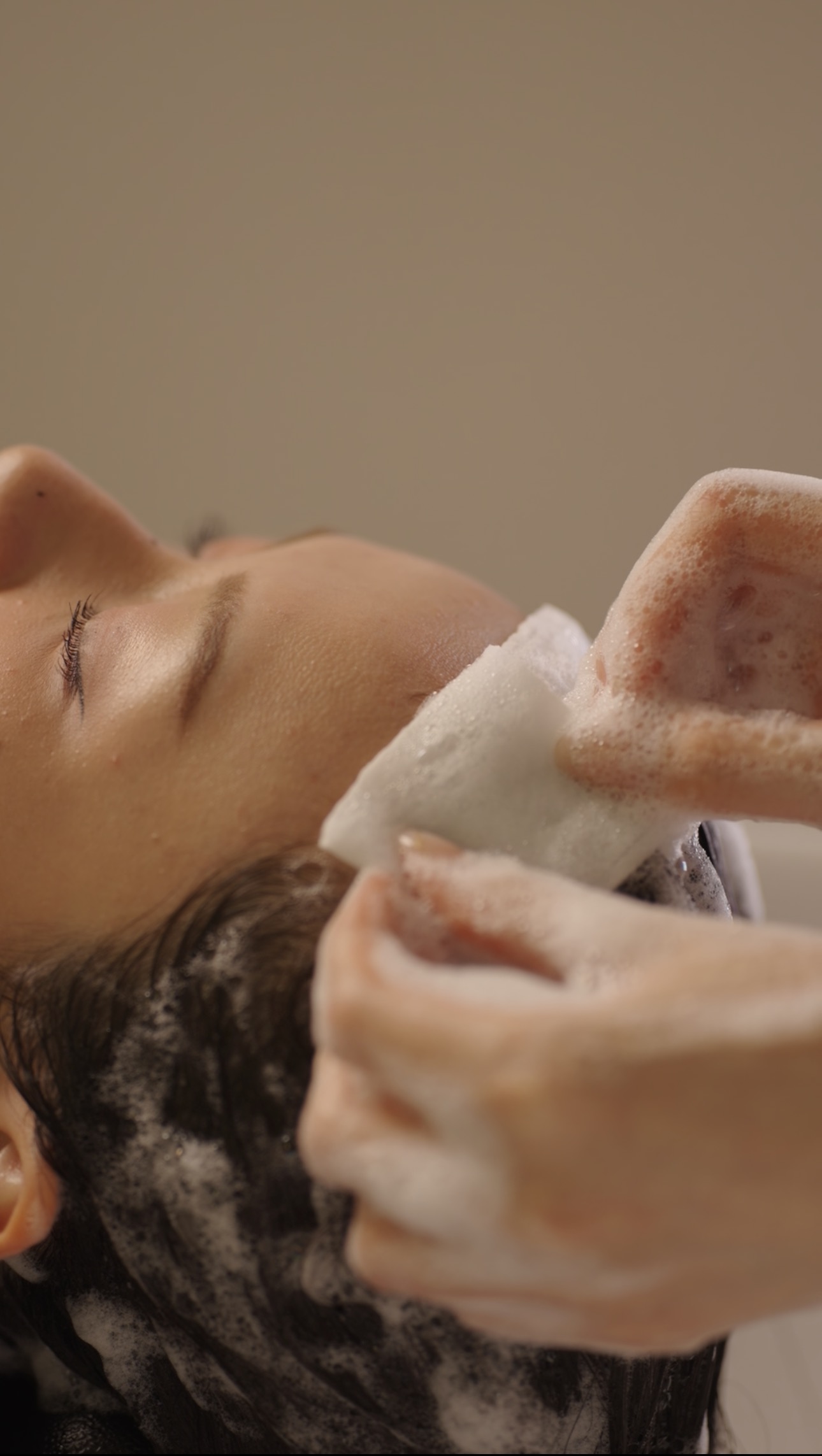
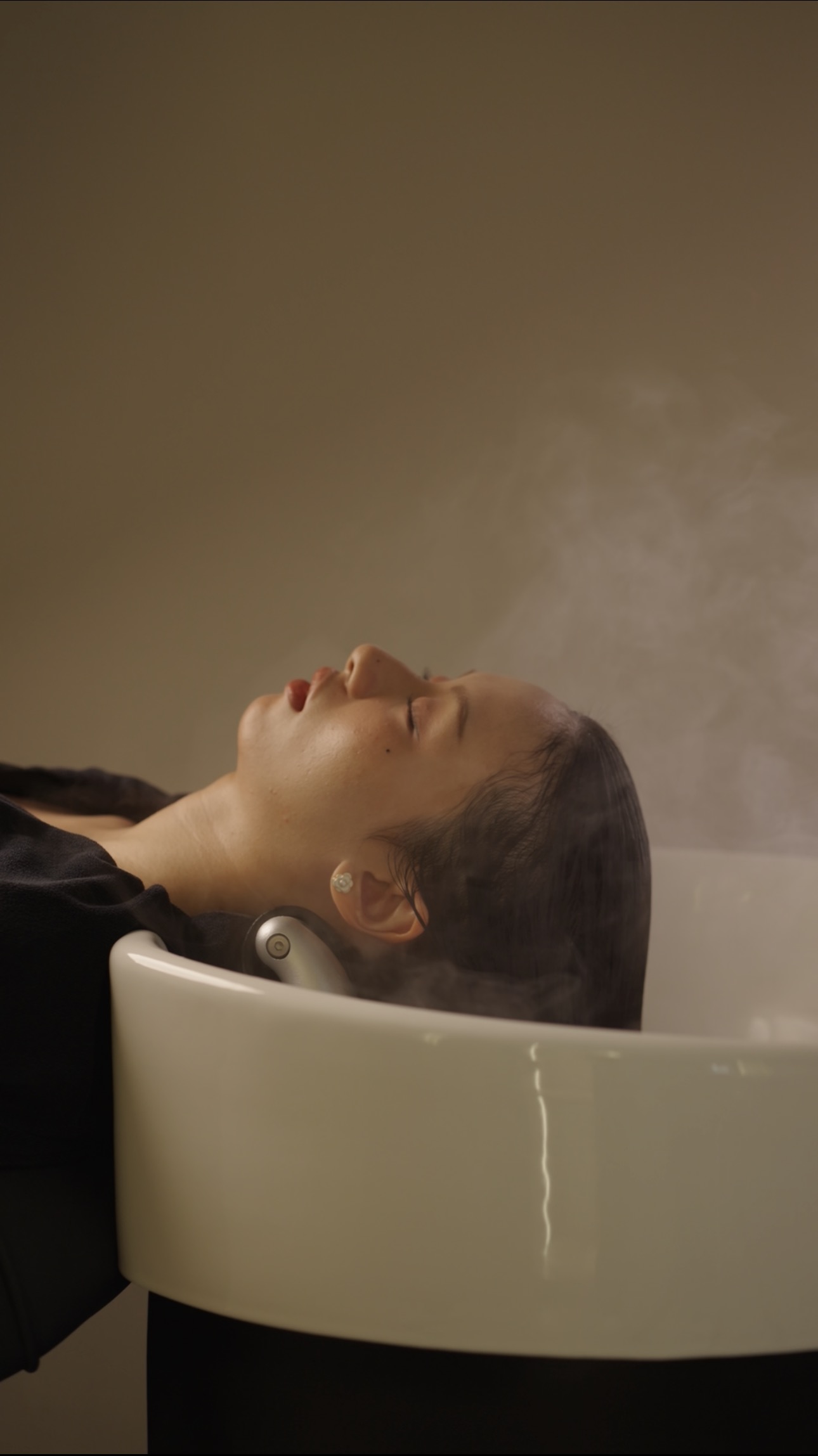
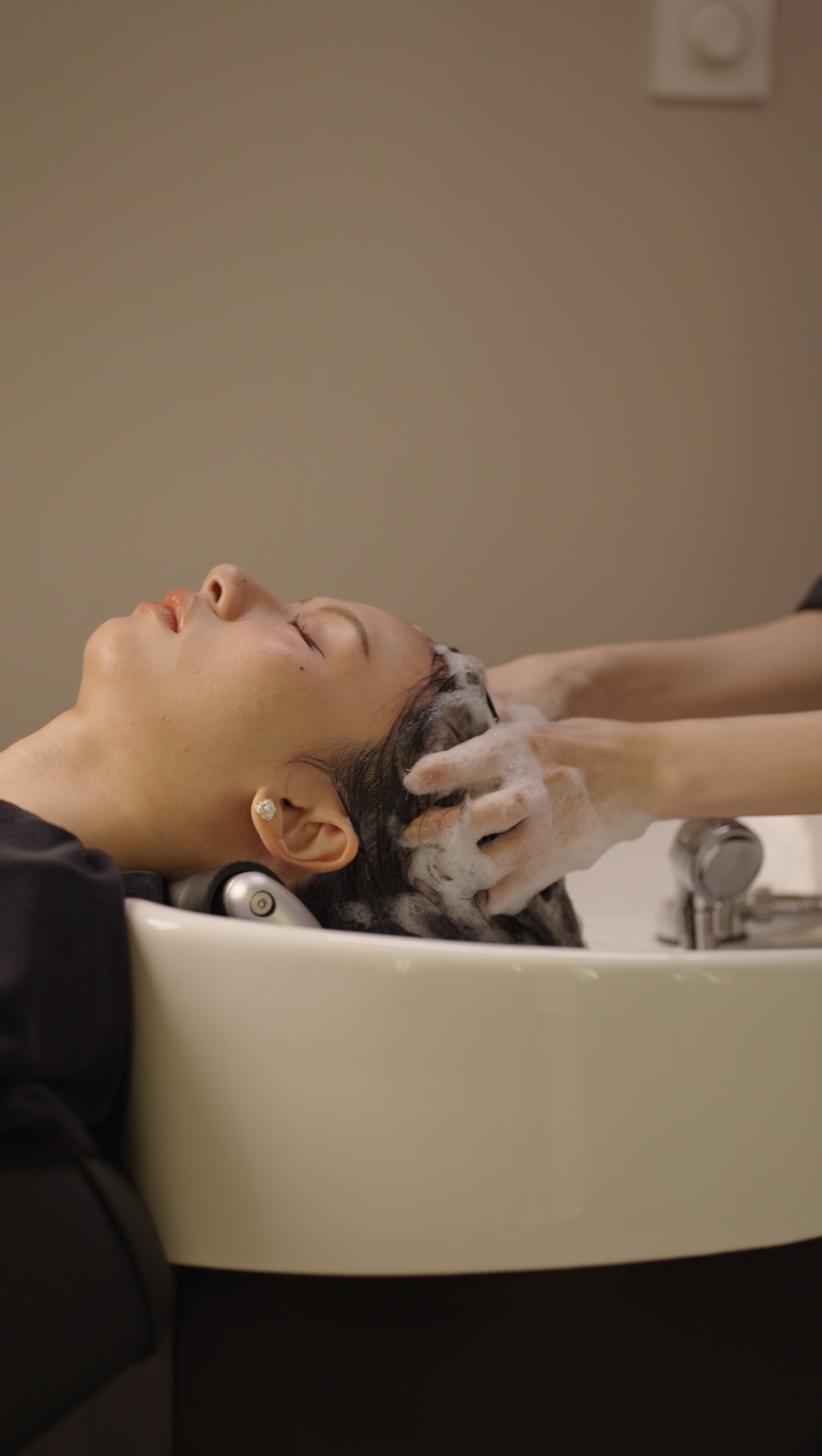
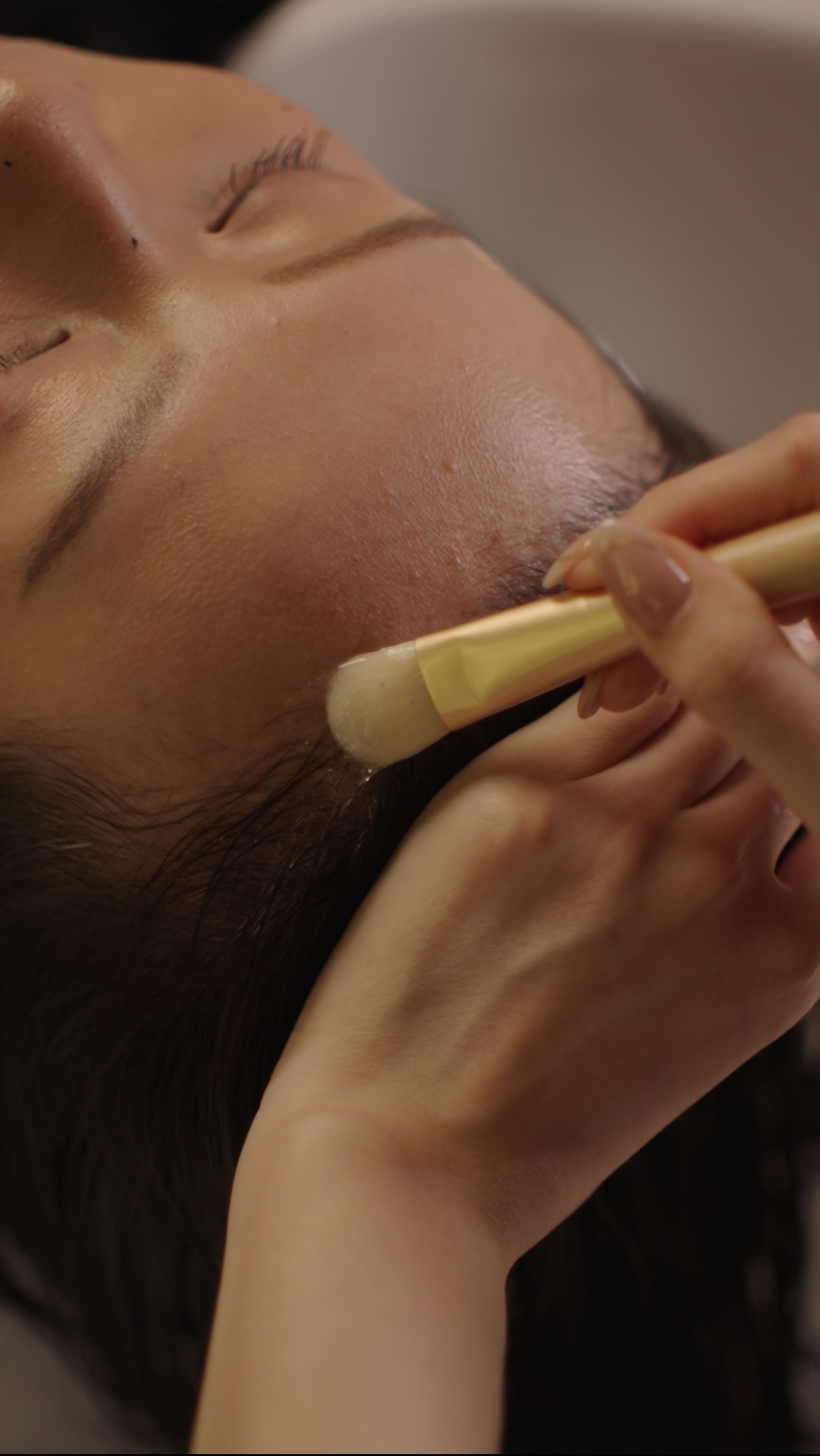
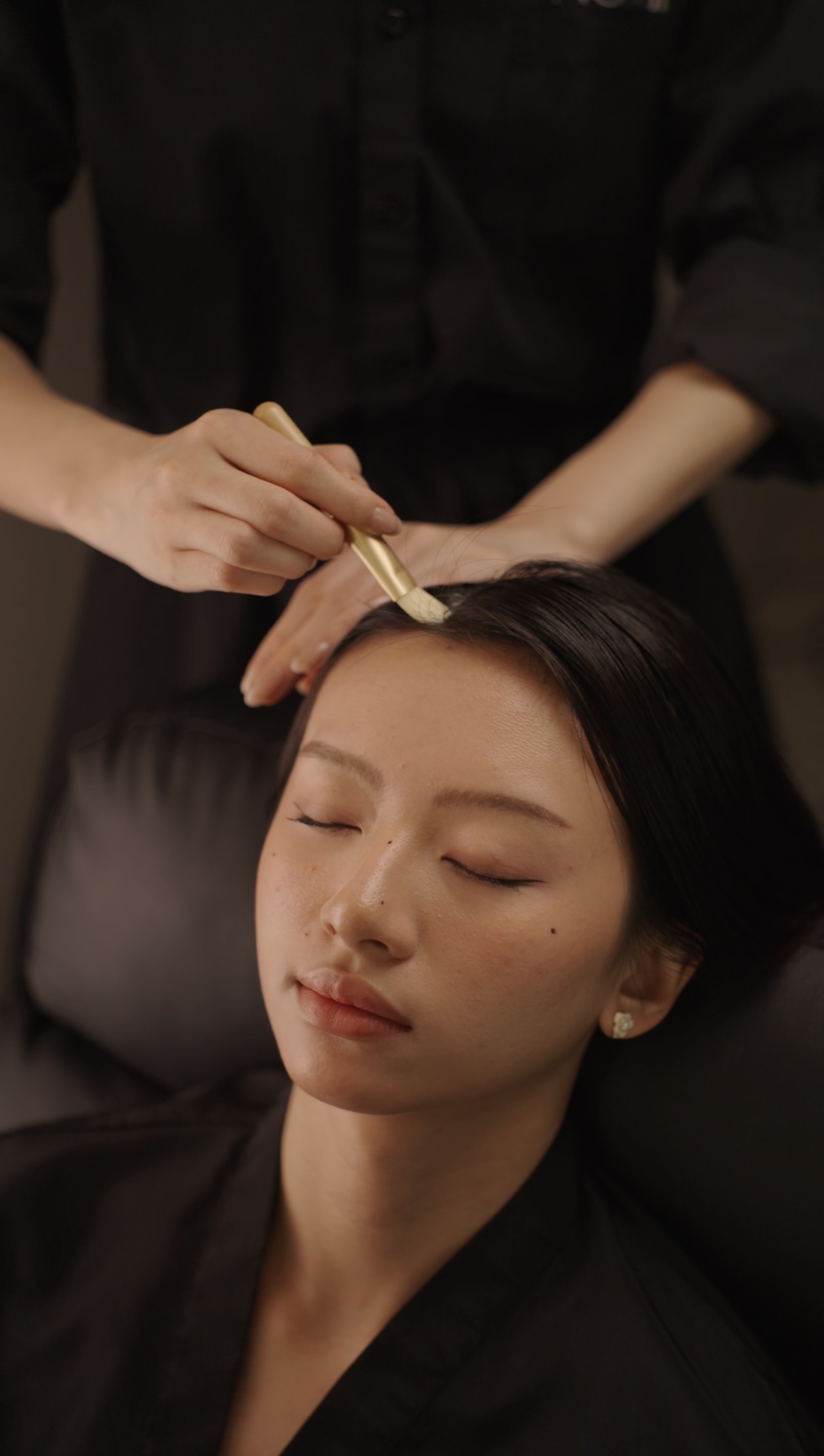
A calm & private space
Signs your scalp needs the Natsu programme
您的头皮需要 Natsu 疗程的迹象
Itchy scalp presents differently for everyone. The Natsu programme is suited to guests experiencing one or more of the following.
瘙痒头皮对每个人的表现不尽相同。Natsu 疗程适合正在经历以下一项或多项问题的顾客。
- Persistent itchiness that returns quickly — even after washing or using anti-itch shampoo
- Scalp redness, tenderness, or a burning sensation when touching the scalp
- A scalp that feels tight, reactive, or easily irritated by hair products or heat
- Bumps, pimples, or sore spots along the hairline or crown
- Itchiness that worsens during stressful periods or in humid weather
- Increased shedding or thinning alongside persistent scalp irritation
Natsu —
Derma Calm
Natsu —
舒缓镇定
Scalp treatment for itchy & sensitive scalp
Natsu is NŌMI's anti-inflammatory programme, designed for scalps that are irritated, reactive, sensitive, or chronically itchy. Sessions run approximately ninety minutes, with product selection tailored to your scalp's specific inflammatory profile at each visit.
Every session begins with a scalp camera analysis — your therapist assesses inflammation patterns, redness, sebum levels, and any areas of active irritation before treatment begins. No two sessions are approached identically.
How the Natsu treatment works
Natsu 疗程如何进行
Each Natsu session follows a structured six-step protocol calibrated to your scalp condition — sensitive, oily, acne-prone, or itchy. The sequence is designed so that each step prepares the scalp for the next.
每次 Natsu 疗程遵循结构化的六步骤流程,根据您的头皮状况——敏感、油性、易长痘或瘙痒——进行校准。步骤顺序的设计确保每一步都为下一步做好头皮准备。
-
01
Scalp analysis
头皮检测
A scalp camera maps your scalp's current state — inflammation patterns, sebum distribution, follicle congestion, and any areas of active irritation or breakout. This assessment shapes every product and technique decision that follows.
头皮镜检测描绘您头皮的当前状态——炎症模式、皮脂分布、毛囊堵塞,以及任何活跃刺激或痘痘区域。此评估决定后续所有产品与技术选择。
-
02
Scalp cleanse
头皮清洁
A targeted cleanse removes excess sebum, product residue, and surface irritants — calibrated based on whether your scalp leans sensitive, oily, or both.
针对性清洁去除多余皮脂、产品残留与表面刺激物——根据您头皮偏向敏感、油性或两者兼有进行校准。
-
03
Scalp massage
头皮按摩
A calming scalp massage improves microcirculation, helps the scalp relax, and prepares the skin to absorb the treatment actives applied in the following steps.
舒缓的头皮按摩改善微循环,帮助头皮放松,并为接下来步骤中涂抹的护理活性成分做好吸收准备。
-
04
Steam therapy
蒸汽疗法
Steam opens follicles, softens residual congestion, and has a measurable calming effect on the scalp's inflammatory response — preparing the skin to receive treatment actives more effectively.
蒸汽打开毛囊、软化残余堵塞,并对头皮的炎症反应产生可衡量的舒缓效果——为头皮更有效地接收护理活性成分做准备。
-
05
Targeted treatment application
针对性护理涂抹
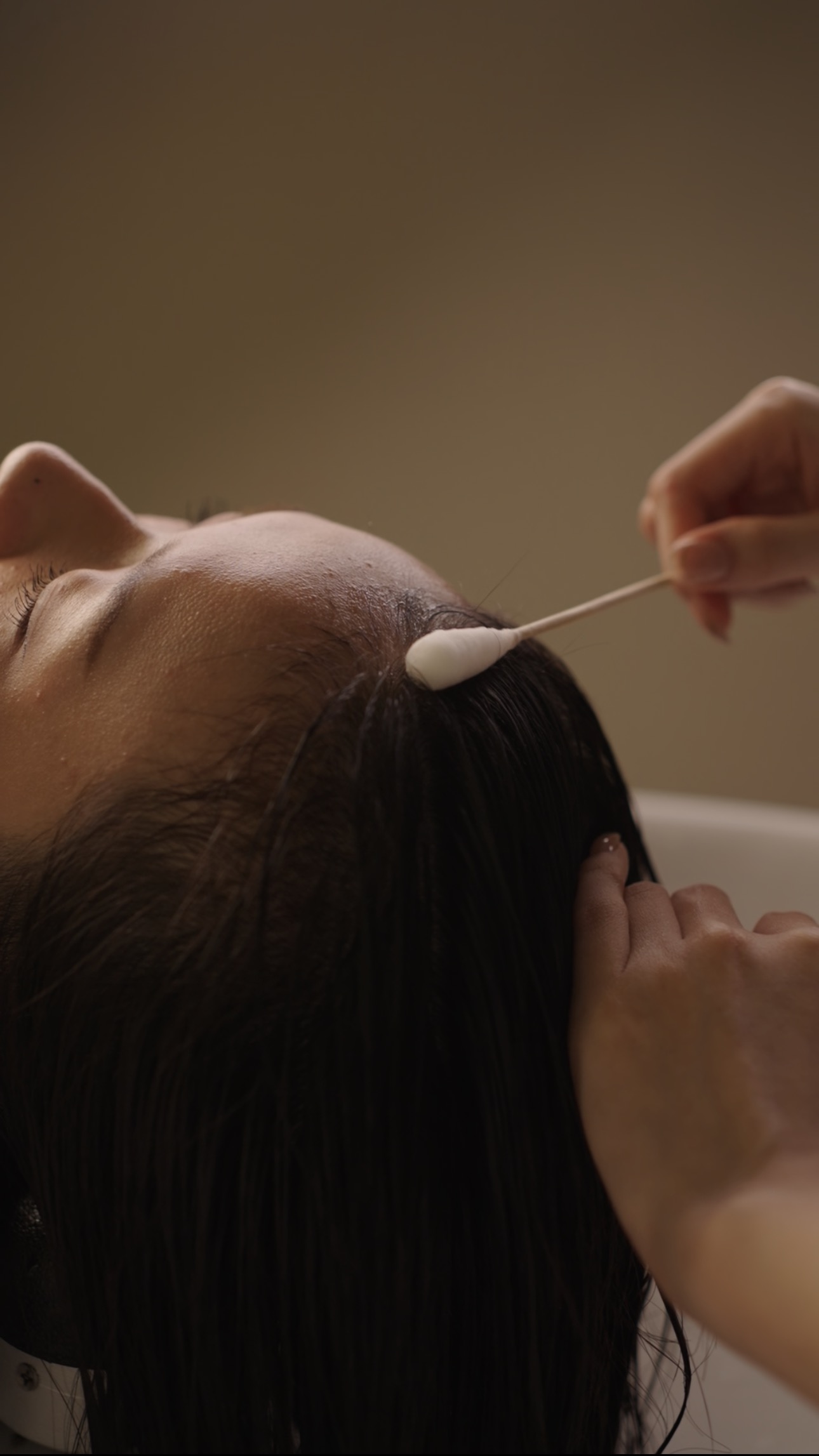
Anti-inflammatory, sebum-regulating, and anti-microbial actives are applied and worked into the scalp. Formulations are selected at each session based on your current profile — sensitive, oily, acne-prone, or itchy.
抗炎、皮脂调节与抗菌活性成分被涂抹并按摩进入头皮。配方根据每次疗程时您的当前状况——敏感、油性、易长痘或瘙痒——而选择。
-
06
Scalp barrier repair & finish
头皮屏障修复与收尾
Barrier-restoring actives are applied to reduce sensitivity, rebuild the scalp's protective layer, and help maintain its calm state between sessions. The session closes with the Panasonic Nanoe™ dryer for a clean, polished finish.
屏障修复活性成分被涂抹,减少敏感、重建头皮保护层,并帮助维持两次疗程间的平静状态。疗程以 Panasonic Nanoe™ 吹风机收尾,呈现整洁精致的效果。
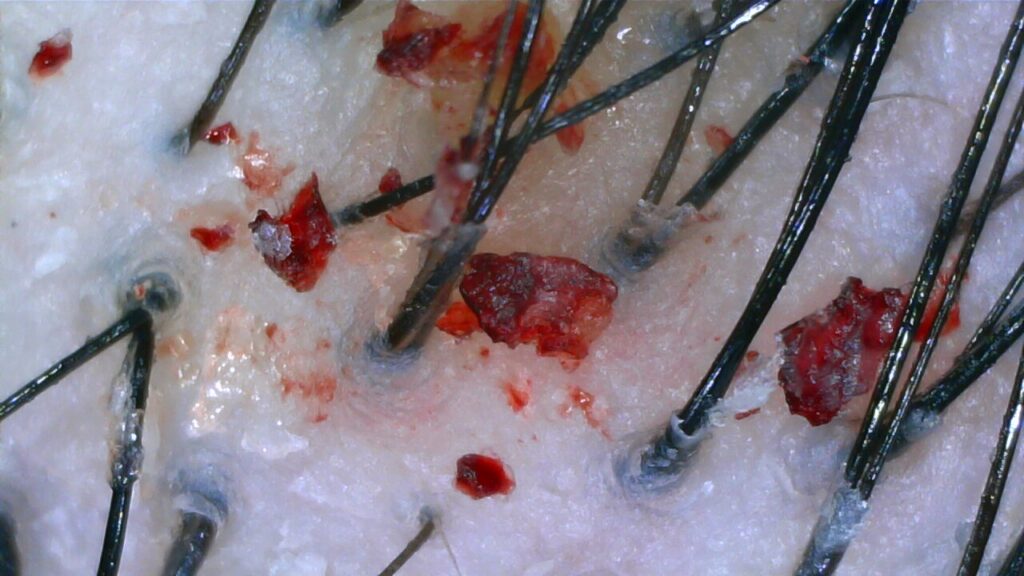
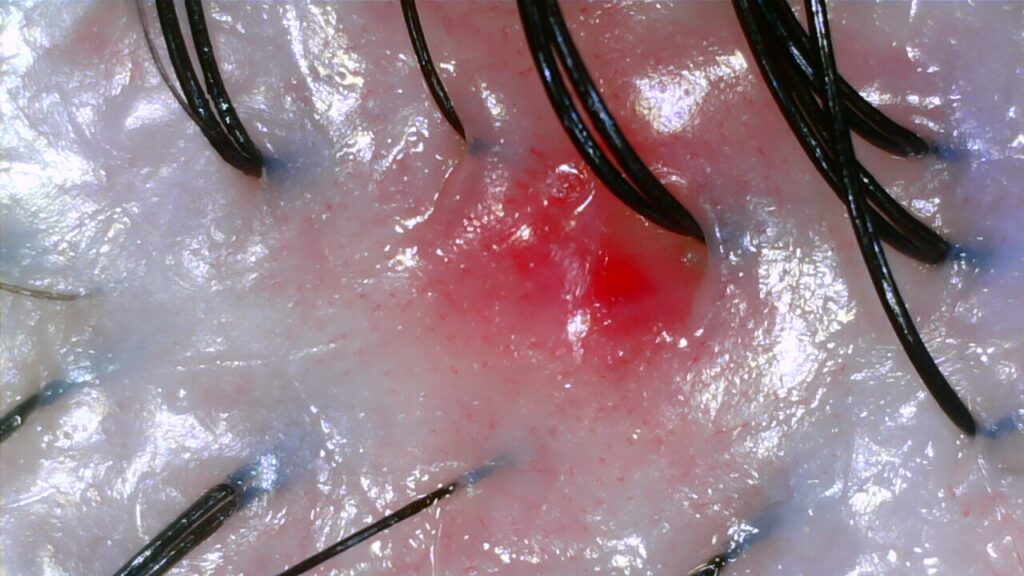
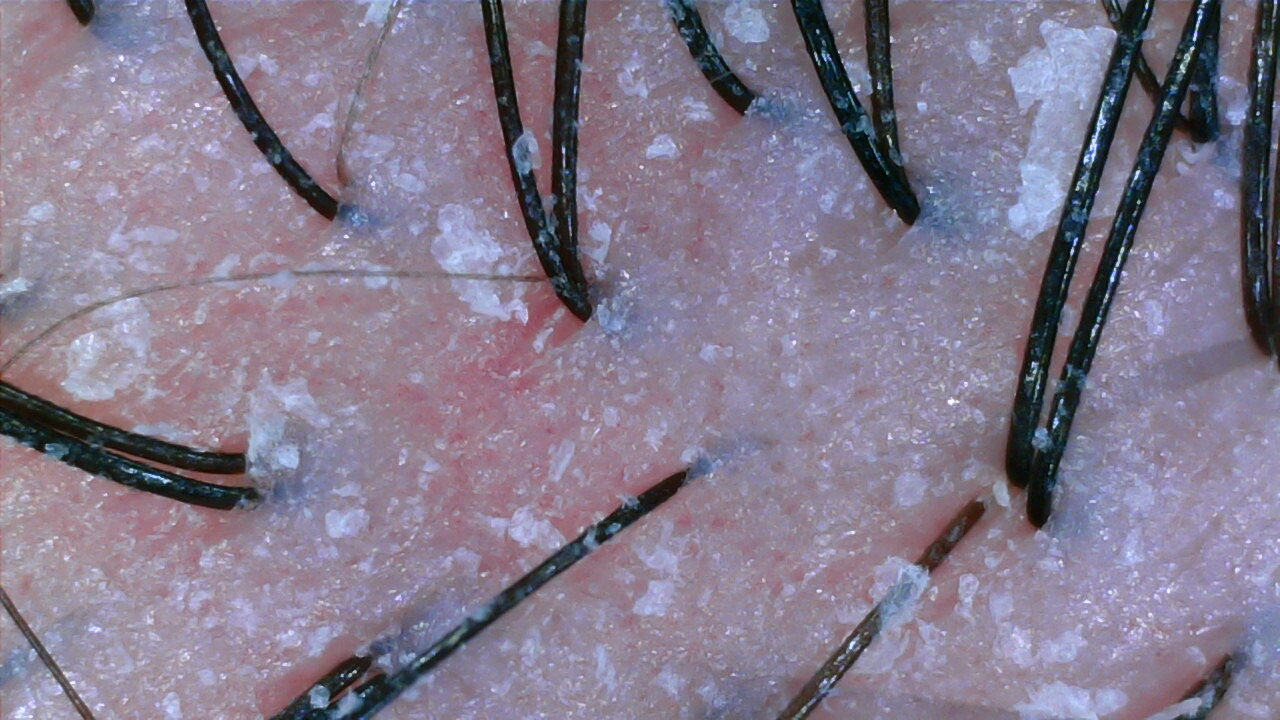
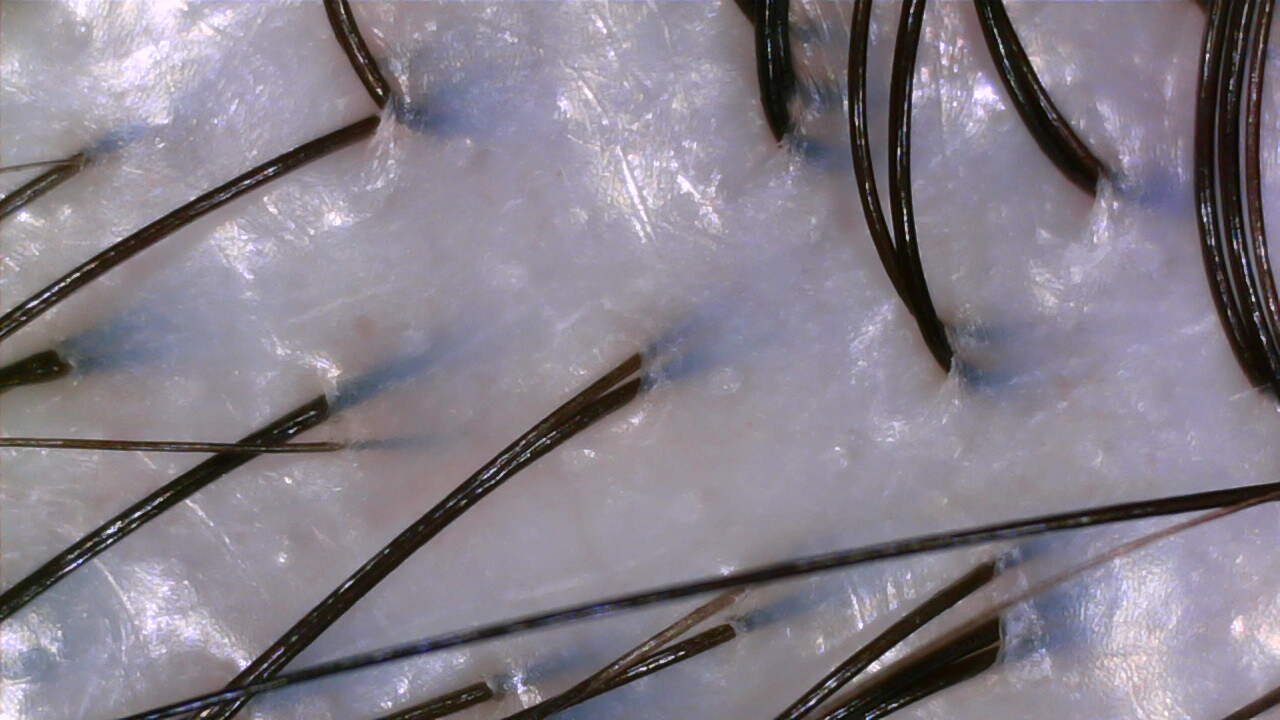
Itchy scalp treatment — before & after
Scalp analysis images taken before and after treatment at NŌMI. Results are individual and vary based on condition severity and number of sessions.
 Before
 After
After
Scratched and irritated scalp
 Before
 After
After
Sensitive scalp
Ready to calm your scalp for good?
准备好彻底平复您的头皮了吗?
Book your Natsu — Derma Calm session via WhatsApp. We will confirm your appointment and answer any questions before your visit.
通过 WhatsApp 预约您的 Natsu — 舒缓镇定疗程。我们将在您到访前确认预约并回答任何问题。
Book your appointmentFrequently asked questions
常见问题解答
Itchy scalp has several possible causes — scalp inflammation, excess sebum creating a breeding ground for bacteria or yeast, product build-up, contact dermatitis from hair products, or underlying conditions such as seborrheic dermatitis, eczema, or psoriasis. A scalp camera analysis at the start of each NŌMI session identifies the primary cause before any treatment begins.
Yes. Persistent scalp inflammation weakens the follicle environment over time and can accelerate shedding. If you are experiencing both an itchy scalp and noticeable thinning, your therapist may recommend progressing to the Fuyu — Active Growth programme once scalp inflammation is under control.
Yes. Natsu is specifically designed for inflamed, irritated, and sensitive scalps — including those with seborrheic dermatitis or mild eczema. The treatment actives are anti-inflammatory and calming rather than aggressive, and the approach is adjusted based on your scalp's current condition at each session.
Most guests notice a meaningful reduction in itchiness and irritation within two to three sessions. For chronic or inflammation-linked itchiness, a course of four to six sessions spaced two to four weeks apart is recommended to address the underlying imbalance rather than providing temporary relief.
If itchiness and inflammation are your primary complaints, Natsu is the right starting point — it addresses the inflammation driving both the itch and any associated flaking. If persistent flaking or scalp build-up is the dominant concern, the Aki — Purifying Scalp Detox may be more appropriate. Your scalp analysis at your first appointment will confirm the right programme for you.
Yes. Stress elevates cortisol levels, which can trigger or worsen scalp inflammation and disrupt the skin barrier — both of which contribute to itchiness. Stress-related itchy scalp tends to be cyclical and difficult to manage with at-home products alone. Professional treatment that addresses the inflammatory response rather than the surface symptom tends to produce more lasting results.